OUR HISTORY
The Aggie Club: Building the Foundation

The Aggie Club, sometimes formally styled the National Aggie Club, was the earliest and most prominent booster group on campus. It emerged during a time when HBCU athletic programs faced chronic underfunding and needed strong alumni networks to survive. The Aggie Club became the official avenue through which alumni and friends could support the athletic program, raising funds for scholarships, travel, and equipment.
By the 1990s and 2000s, the Aggie Club had grown into a highly visible part of the university’s advancement structure. Officers were often listed alongside other institutional leaders in official publications, signaling the club’s recognized role as the primary booster organization for A&T athletics. Membership in the club was a source of pride, and it helped galvanize alumni to stay connected with their alma mater through football Saturdays, basketball tournaments, and other athletic events
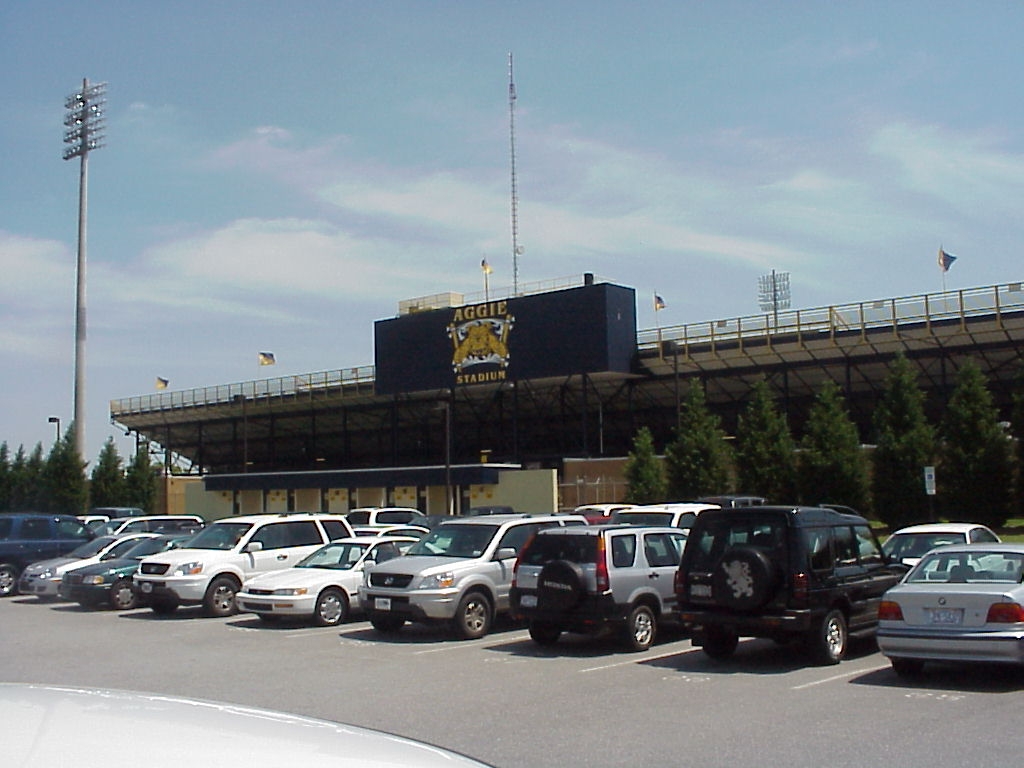
One of the most ambitious booster-driven initiatives in A&T history was the creation of the Gold Helmet Club in the late 1970s and early 1980s. The club was launched specifically to raise funds for the construction of a new on-campus football facility, which became Aggie Stadium (opened September 12, 1981, now Truist Stadium).
Membership in the Gold Helmet Club required a significant contribution — at least $500, a major sum at the time. Donors were rewarded with lifetime passes to athletic events and membership in the exclusive Stadium Club, with their names engraved as part of the campaign. This initiative not only reflected the growing ambitions of A&T athletics but also showcased how deeply alumni and boosters were invested in creating first-class facilities for Aggie student-athletes.
The Gold Helmet Club was more than just a fundraising mechanism; it was a symbol of ownership. Alumni could literally see the fruits of their generosity rising from the ground in the form of a stadium that would become home to decades of victories, traditions, and memories.
The Gold Helmet Club: Building Aggie Stadium
The Victory Club: Expanding the Booster Model
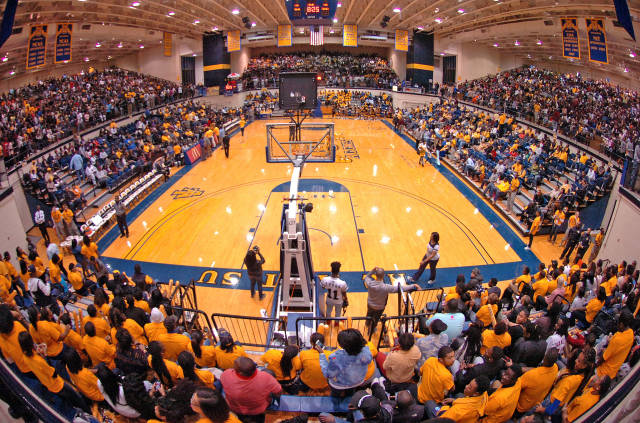

Recognizing the need to modernize and centralize fundraising, North Carolina A&T established the Aggie Athletic Foundation (AAF) on July 1, 2011. The AAF was created as the official fundraising arm of Aggie Athletics, consolidating the efforts of the Aggie Club, Victory Club, and other donor programs under one umbrella.
With structured giving levels, chapter-based membership, and a clear benefits system, the AAF represented a shift toward the professionalized fundraising models seen at larger Division I programs. It allowed A&T to more effectively pursue major gifts, endowments, and capital projects, while also expanding its donor base beyond traditional alumni circles to corporate sponsors and friends of the university.